

MelpApp: A Game-Changer for Team Communication and Collaboration
In today’s fast-paced business world, effective communication and collaboration are essential for success

In today’s fast-paced business world, effective communication and collaboration are essential for success
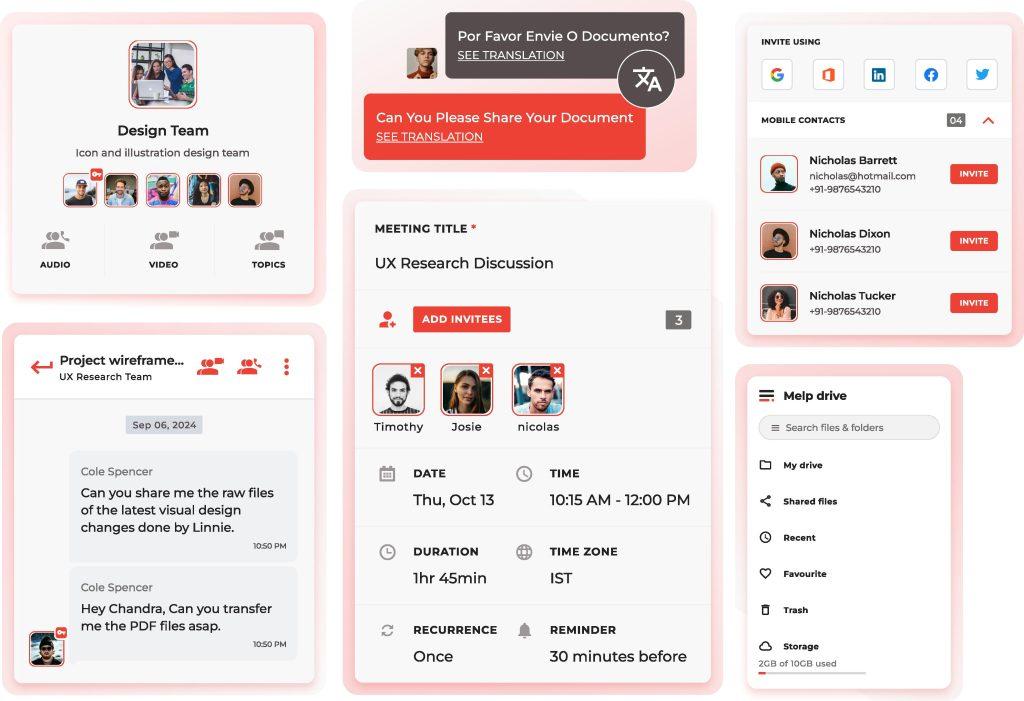
Let me ask you something. Are you a business owner? Are you a team lead? Are you a member of a team? If you are any of these, let me directly put it

To add featured content go to Theme Options -> Homepage (Featured) and turn the switch on then add the content you want for each section.
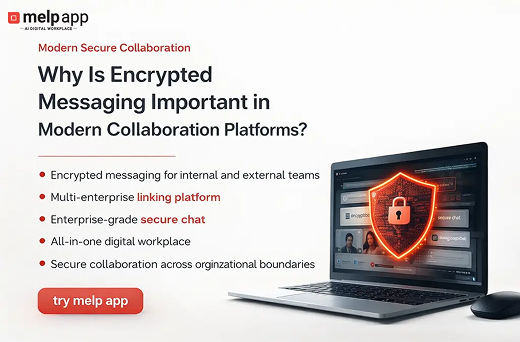
Introduction Every message sent inside a workplace carries weight. It might include a product roadmap, a client contract, financial data, or a simple conversation that guides a key decision. As businesses rely more on digital tools, those messages move through collaboration platforms rather than conference rooms, making digital communication in the workplace more critical than
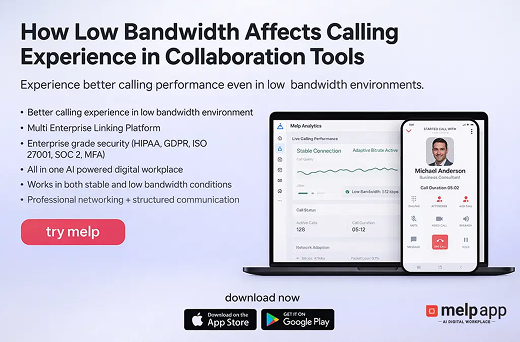
Modern businesses rely heavily on real-time calling inside collaboration platforms. Whether it is a leadership sync, a client pitch, or an operational escalation, voice and video calls are central to daily execution. When network conditions are stable, communication feels seamless. When connectivity drops, productivity suffers instantly. For founders and IT leaders, the real issue is
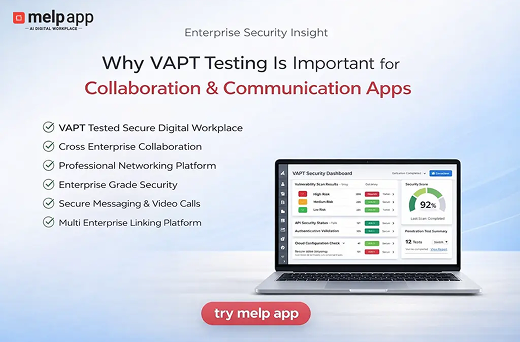
Modern workplaces run on collaboration platforms. Teams message in real time, share files instantly, host video meetings, manage tasks, and integrate dozens of third-party tools into a single digital workspace. These applications have become the backbone of remote work, hybrid teams, global outsourcing, and enterprise coordination, which is why choosing the right collaboration platform is
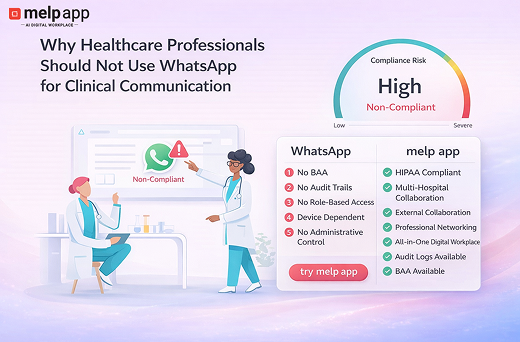
In fast-paced healthcare environments, quick messaging feels convenient. A nurse needs clarification on a dosage. A physician wants to share a lab result. A care coordinator needs to confirm discharge instructions. Consumer messaging apps like WhatsApp seem like an easy solution. But convenience does not equal compliance. When patient safety, privacy laws, and legal exposure
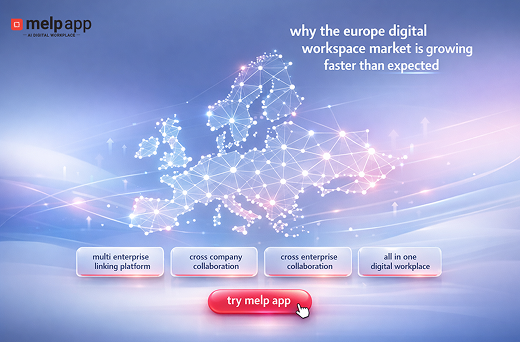
For years, Europe was seen as a careful, sometimes slow adopter of workplace technology. Strong labor protections, strict data rules, and deeply rooted organizational cultures often meant digital change happened step by step. That perception no longer holds. The Europe digital workplace market is not just growing, it is accelerating in ways that even seasoned
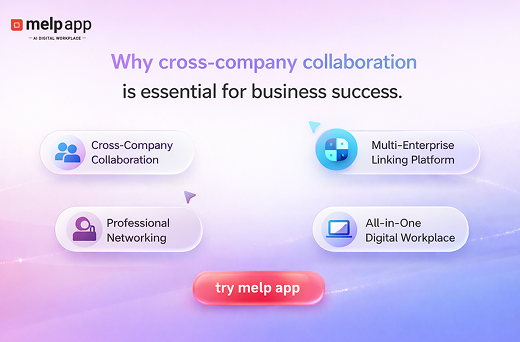
Introduction Business in 2026 looks very different from how it did even a few years ago. Teams are no longer confined to one office, one city, or even one company. Projects now span vendors, agencies, freelancers, technology partners, and clients, all working together to deliver outcomes faster than ever before, which makes external collaboration a
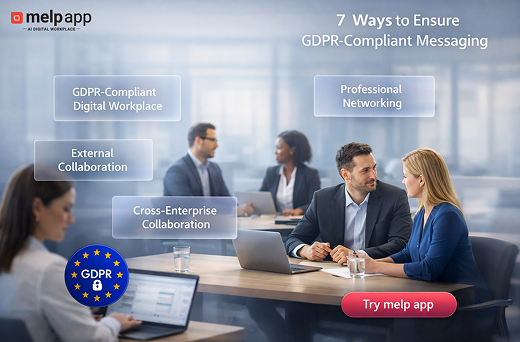
Messaging has quietly become the backbone of modern businesses, especially with the rise of real-time messaging platforms. Deals are discussed over chat, documents are shared in real time, and decisions that once took days now happen in minutes, reflecting the shift in business communication solutions. But with that speed comes responsibility. Every message can contain
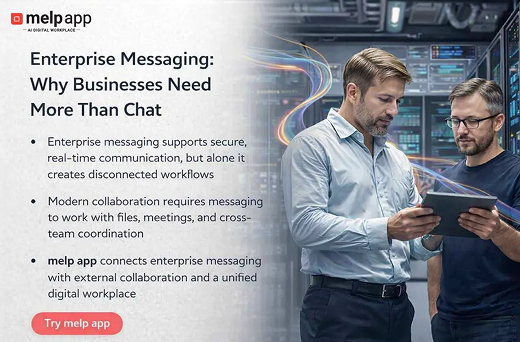
Business communication has changed dramatically over the last decade. Teams are no longer sitting in the same office, customers are no longer limited to one channel, and work no longer happens inside a single tool. In this environment, enterprise messaging has become essential, but relying on messaging alone is no longer enough. Modern businesses do
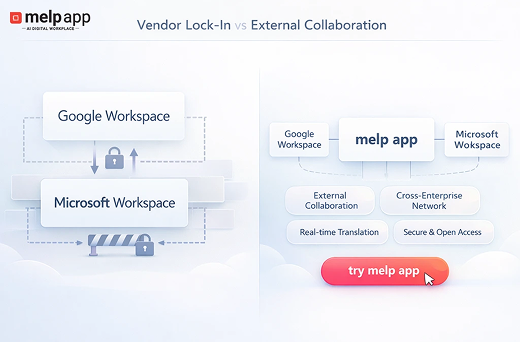
Modern businesses run on collaboration. Teams work across time zones, partners contribute from different organizations, and clients expect fast, connected experiences. On paper, this sounds easy. In practice, many companies discover that their tools make collaboration harder instead of smoother. The reason is not a lack of effort or intent. It is often a structural
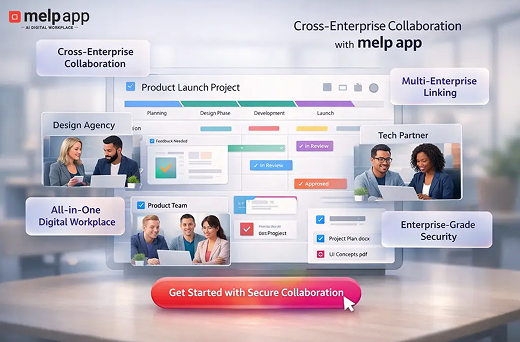
Modern businesses increasingly rely on external collaboration to work effectively with partners and vendors. Even small and mid-sized companies now depend on a network of partners, vendors, distributors, agencies, and service providers to get real work done. This reality has quietly changed how collaboration works. It is no longer just about how teams communicate inside